Fur Care
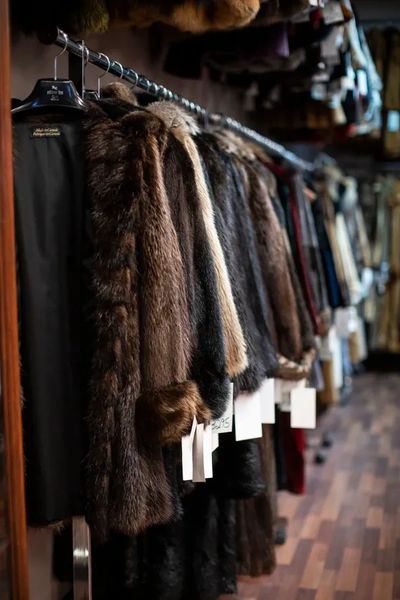
Fur Storage
Nothing shortens the lifespan of a fur like keeping it cooped up in the closet during the hot summer months. Home storage – even using air conditioning or cedar closets – will not protect your fur from drying out or from dust, dirt and insect damage. A cedar closet absorbs moisture (so moths can’t live) and thereby will dry out the leather. “Home storage closets built just for furs” or a “Wine Cellar” typically lack the proper environmental control to properly maintain your fur. Professional fur vaults are specially designed environments with carefully controlled humidity and temperature. When furs are not professionally stored, though the fur may not appear to be damaged, the natural oils in the leather may have dried out, prematurely aging the garment and leaving it more vulnerable to rips and tears. Be sure to store your fur at an Authorized Fur Care Specialist SM.
Fur Cleaning
Furs should be cleaned annually by a fur specialist – never by a dry cleaner for clothes. While fur may not look dirty, it needs freshening to remove particles of dirt on the fur and to keep it soft. The cleaning process – putting oils back into the fur and leather – prolongs its longevity and enhances the luster of the fur. Bringing your fur to a fur specialist for annual cleaning is an ideal opportunity for your fur retailer to check for any minor rips or tears and repair them before they become more serious.
Fur Care and How to Wear
Avoid shoulder bags on a consistent basis as the strap will rub the fur and create bald patches. Avoid getting perfume and hairspray on the fur. Do not treat a fur with mothballs.
When Fur Gets Wet
Most fur garments can tolerate light rain or snow. If your fur gets wet, gently shake off the excess water and hang it in a well-ventilated room to air dry. Keep it away from direct heat sources, and do not use a hair dryer. Avoid brushing or combing the fur while it is wet. It is generally safe to wear fur in light precipitation as the guard hairs and natural oils help repel moisture and prevent it from reaching the leather beneath. However, if the fur becomes thoroughly soaked and the moisture penetrates the leather side, place the garment in a plastic bag to prevent it from drying. Take it to a professional furrier as soon as possible. A qualified furrier can determine the proper procedure to prevent the garment from shrinking, stretching or misshaping.
Closet Space Needed
During the winter, give your fur ample closet space with no exposure to bright light which can cause fur to oxidize and change color more quickly than the natural process does.
Fur Needs Breathing Room
Fur needs air circulation to prevent its leather side from drying out. Never cover fur with a plastic bag. If it must be covered for a short period of time, use a loosely woven cloth bag so the fur can breathe.
Keep Away from Sprays
Avoid spraying perfumes, hairsprays and insecticides on your fur. These sprays (including alcohol, solvent, and silicone-based substances) will dry the leather and stiffen the guard hairs. Of course, we know that makeup will rub off and into the collar area and perfume may settle on the fur – in this case take it to an authorized furrier for professional cleaning.
Furs and Insects
Unfortunately, here in Arizona, we have seen a dramatic uptick in furs that have been damaged by insects. The introduction of grass and plants that are not indigenous to the desert have also introduced our environment to more insects. Damage from moths, crickets and other insects can be a serious issue for fur owners. Moths are especially attracted to keratin, the protein found in animal fibers such as fur, wool and silk. Proper cleaning and storage are key to preventing insect damage. Professional fur cleaning removes dirt, oils and other residues that can attract insects. After cleaning, fur coats should be stored in a cool, humidity- controlled environment. Insects tend to thrive in warm, humid or overly dry conditions, so correct storage is essential to help prevent infestations. If you notice excessive shedding, it is important to take your fur to a professional furrier promptly. A specialized “bug cleaning” will be performed, and the garment will then be evaluated to determine the extent of the damage. The full scope of damage often cannot be determined until after this cleaning process is completed.
Insurance
Be certain that you have adequate insurance with up-to-date appraisals on each fur garment that you own. Keep in mind that most homeowner’s policies will not adequately cover your garments unless there is a specific rider adding them to the basic policy. Also be sure to get information on applicable deductibles and depreciation that would apply in the event of a loss. Almost all Authorized Furcare Specialists SM can appraise your furs, and usually much more accurately than a standard insurance company.